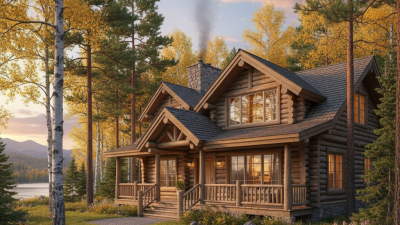
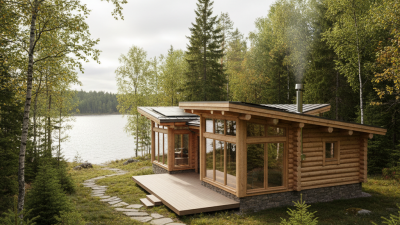
2025 Top Wood Cabin Designs Ideas for Cozy Living in Nature
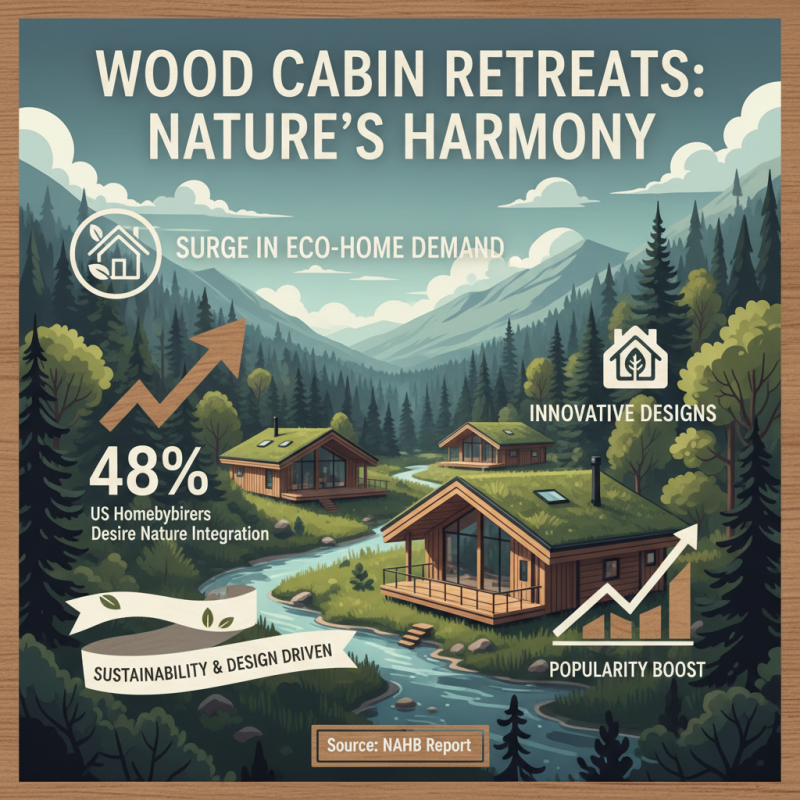
As we seek refuge in the embrace of nature, the demand for wood cabins has surged, reflecting a broader trend towards eco-friendly and sustainable living. According to a recent industry report by the National Association of Home Builders, more than 60% of homebuyers express a preference for homes that utilize sustainable materials, such as wood, highlighting its enduring appeal in construction. Wood cabins not only offer rustic charm and aesthetic appeal but also contribute to environmental sustainability, as they are often built using renewable resources.
Furthermore, the overall market for vacation homes, including wood cabins, has experienced significant growth, with the Global Vacation Home Market projected to reach $211 billion by 2025, according to a report by Market Research Future. This growth trajectory underscores the allure of wood cabins as ideal getaways that facilitate a deeper connection with the natural world. With innovative designs emerging that blend modern comfort with traditional craftsmanship, wood cabins are more than just dwellings; they symbolize a lifestyle choice that embraces simplicity, tranquility, and an appreciation for the great outdoors.
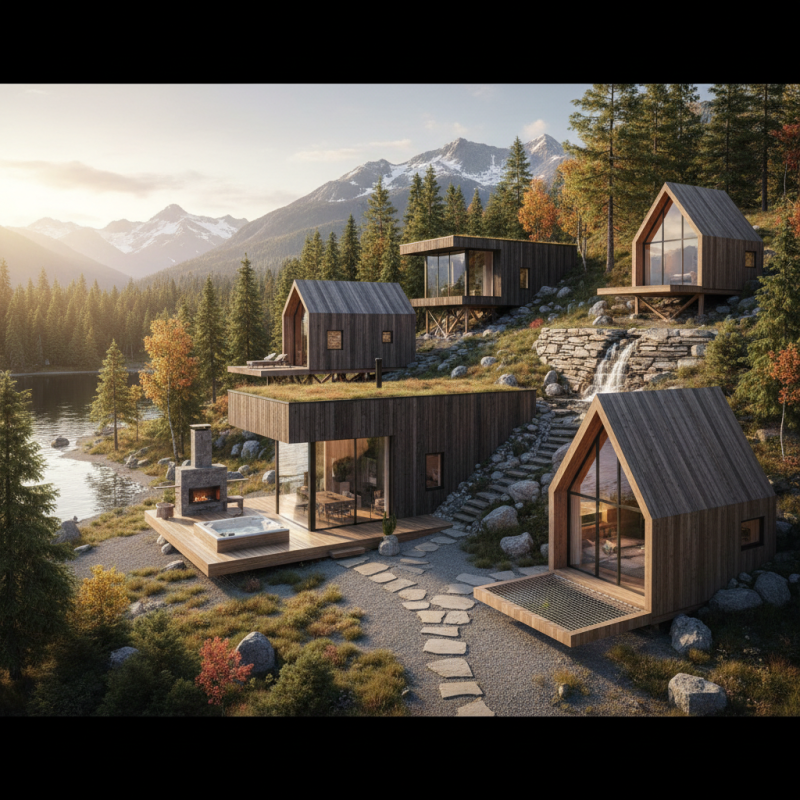
Overview of Wood Cabin Designs for Nature Living
Wood cabins have become increasingly popular as ideal retreats for those seeking harmony with nature. According to a recent report by the National Association of Home Builders, nearly 48% of homebuyers in the U.S. expressed a desire for a home that allows for direct interaction with the surrounding environment. This trend has propelled a surge in innovative wood cabin designs, prioritizing sustainability and integration into the landscape.
The essence of wood cabin living revolves around those natural elements that promote a sense of peace and relaxation. Sustainable materials, such as reclaimed wood and eco-friendly insulation, are at the forefront of contemporary cabin design. The Green Building Council notes that homes incorporating sustainable practices can reduce energy costs by up to 30%, making them an attractive option for eco-conscious individuals. Moreover, designs that feature large windows and open-concept layouts enhance natural light and create a seamless transition between indoor and outdoor living, which is essential for fostering a deep connection to nature.
In choosing wood cabin designs for cozy living, functionality is key. Many contemporary designs incorporate multi-use spaces and smart technology for heating and lighting, offering comfort without compromising on style. Data from the American Institute of Architects indicates that an increasing number of architects are embracing adaptive reuse and modular designs, reflecting a growing demand for cabins that are not only aesthetically pleasing but also practical for year-round living. This harmonious blend of design innovation and environmental consciousness enhances the overall appeal of wood cabins, positioning them as a favored choice for those yearning to immerse themselves in nature.
Key Features of Cozy Wood Cabins
Cozy wood cabins have become increasingly popular as a means of reconnecting with nature. According to a recent market research report, the global cabin rental market is projected to reach $328 billion by 2025, highlighting the growing desire for sustainable and immersive outdoor experiences. When designing a wood cabin, several key features contribute to its cozy atmosphere, making it an inviting retreat for those looking to escape from urban life.
One prominent feature of cozy wood cabins is the use of natural materials, such as reclaimed wood and stone, which not only provide aesthetic appeal but also enhance thermal insulation. A study by the U.S. Department of Energy indicates that properly insulated structures can save up to 30% on heating costs, making energy efficiency a crucial element in cabin designs. Additionally, large windows are often incorporated to create a seamless indoor-outdoor connection, allowing residents to enjoy breathtaking views and plenty of natural light, which can elevate mood and overall well-being.
Another essential element of cozy living in wood cabins is the incorporation of functional yet comfortable furnishings. Reports show that multi-functional furniture is becoming increasingly sought after, as it maximizes space without sacrificing comfort. For instance, modular couches or foldable dining tables can easily adapt to various needs, making the cabin both practical and inviting. Moreover, the inclusion of outdoor living spaces, such as covered decks or fire pits, encourages relaxation and social interaction, further enhancing the overall charm of these rustic retreats.
Popular Wood Materials and Their Benefits
When considering the charm and warmth of wood cabin designs, the choice of materials plays a crucial role in both aesthetics and functionality. Popular wood options such as cedar, pine, and redwood are celebrated for their unique characteristics.
Cedar, for instance, is well-known for its natural resistance to decay and insects, making it an excellent choice for cabins located in forested areas. Its aromatic properties not only enhance the sensory experience of living in close proximity to nature but also add a layer of protection to the cabin structure.
Pine, on the other hand, offers a budget-friendly alternative while still providing durability and a light, inviting appearance. This versatile wood is easy to work with, allowing for creative designs that can blend seamlessly into the surrounding landscape.
Additionally, pine can be treated to enhance its longevity, enabling it to withstand various environmental conditions. Reducing the need for frequent maintenance is a key benefit for those seeking a cozy yet practical living space. Each wood type brings its own set of benefits and aesthetic appeal, contributing to the overall ambiance of a peaceful retreat in nature.
Design Styles for Wood Cabins: Rustic to Modern
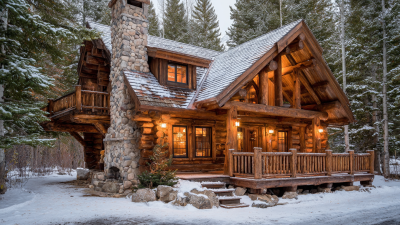
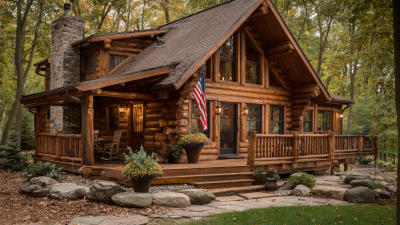
When it comes to designing wood cabins, the style you choose can greatly influence the overall ambiance and functionality of the space. Rustic designs often highlight natural materials and traditional craftsmanship, featuring exposed beams, log walls, and stone accents. This style embraces a warm and inviting atmosphere, ideal for those looking to immerse themselves in the tranquility of nature. The use of earthy tones and handcrafted furniture enhances the cabin's connection to its surroundings, making it a perfect retreat from the hustle and bustle of modern life.
On the other hand, modern designs introduce a sleek and minimalist approach to wood cabin living. Emphasizing clean lines and open spaces, these cabins often incorporate large windows to bring in natural light and showcase stunning views. Innovative use of wood, such as plywood and engineered timber, allows for contemporary aesthetics while maintaining sustainability. Modern cabins often blend with high-tech amenities, providing comfort amidst the simplicity of design. This fusion of nature and modernity enables cabin dwellers to experience a unique coexistence with the wilderness, marrying comfort with the beauty of the natural world.
2025 Top Wood Cabin Design Preferences
Tips for Building and Maintaining a Wood Cabin
Building a wood cabin in nature offers a unique blend of rustic charm and modern comfort, but proper planning and maintenance are essential for long-term enjoyment. According to a report by the National Association of Home Builders, cabin-style homes, particularly those using sustainable materials, have gained popularity, with over 30% of new builds focusing on eco-friendly designs. This growing trend emphasizes the importance of selecting durable wood types like cedar or pine, known for their natural resistance to rot and pests.
When constructing your wood cabin, consider these tips for longevity and comfort. First, ensure adequate insulation, as a well-insulated cabin can reduce heating costs by up to 40%, as noted in the Energy Efficiency Guide for Cabins. Additionally, regularly check for moisture levels, as high humidity can lead to mold growth and structural damage. Utilize moisture barriers during construction and opt for treated wood to enhance durability.
Maintaining your cabin is just as important as building it. Periodic inspections of the roof, siding, and foundation can prevent costly repairs. It is recommended to apply a protective sealant every 3-5 years, which can extend the life of the wood by preventing water penetration and UV damage. Remember, a well-maintained wood cabin not only preserves its aesthetic appeal but also safeguards your investment in the tranquility of nature.