DWELL BEYOND THE ORDINARY
Finding amish built homes for sale requires more than browsing ordinary property listings. These houses may appear through specialized builders, local real estate agents, private sellers, or regional directories. The term “Amish built” can also describe different construction arrangements, so buyers should confirm who designed, built, and finished the property.
A practical search begins in areas with established Amish communities and strong demand for custom timber, post-and-beam, or traditionally crafted homes. Contact several builders directly. Ask for completed projects, references, building timelines, material details, and proof of relevant licensing or insurance. A walk through a finished home can reveal details photographs often hide, such as carefully fitted woodwork, window quality, roof ventilation, and uneven floor transitions.
Look closely.
Professional inspections still matter. Amish craftsmanship may be excellent, but no construction method eliminates moisture problems, foundation movement, electrical concerns, or hidden maintenance costs. Confirm permits, utility connections, zoning requirements, financing options, and the property’s inspection history with qualified local professionals. Some sellers may use “Amish built” as a marketing phrase without clear documentation. That deserves careful questioning, not automatic trust.
I have found that the most reliable search combines personal referrals, independent inspections, and patient comparison. Buyers should remain open-minded, because a beautifully crafted house may not suit every lifestyle or budget. Construction can take longer, replacement materials may be specialized, and modern conveniences may require thoughtful upgrades. The goal is not simply to find a distinctive home. It is to verify its workmanship, history, legal status, and long-term practicality before making an informed offer.
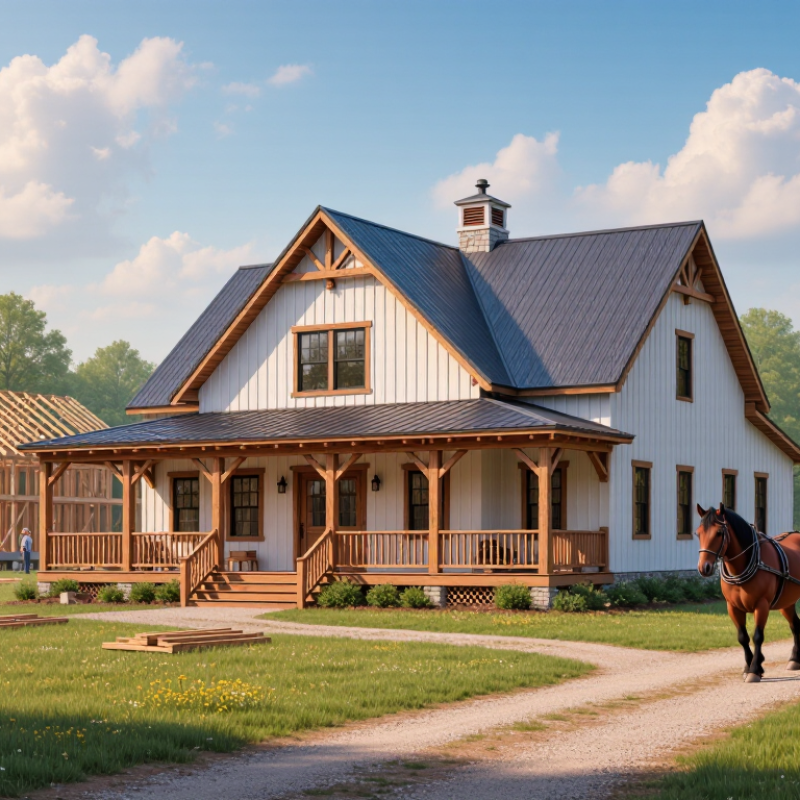
Amish-built homes are usually defined by workmanship, not one official construction standard.
The term often describes homes assembled by Amish or Mennonite crews, using careful framing, hand-finished interiors, and practical materials. Timber-frame, post-and-beam, panelized, and conventional site-built homes may all carry this label.
“Turnkey” means the builder completes most work, while a “shell” may include only the frame, roof, and exterior walls.
Craftsmanship is visible in tight stair joints, straight trim, and smooth cabinetry edges. Still, the label can mislead. Amish crews may use modern saws, cranes, and engineered wood products when safety and accuracy require them.
The U.S. Census Bureau reports that single-family homes increasingly use factory-produced components, so panel construction is not automatically less authentic.
I would inspect the details, not the reputation.
Cost comparisons also require care. The National Association of Home Builders’ 2024 Cost of Construction Survey placed construction expenses at about 64.4% of a typical home’s final price.
Land preparation, utilities, delivery, permits, and foundations can change the estimate sharply. When searching for an Amish-built home for sale, ask for the construction type, insulation specifications, window ratings, warranty terms, and completion schedule.
Request references and an itemized contract. A local inspector should review the shell before interior finishes hide possible defects.
Look closely. Good woodwork is valuable, but it does not replace documented engineering, code compliance, or reliable site management.
How to Find Amish Built Homes for Sale?
Find Listings Through Amish Builders, Modular Dealers, MLS, and Land Brokers
Amish-built homes rarely appear in ordinary online searches. Many builders rely on referrals, local auctions, community directories, or simple roadside signs. Contact several builders directly and ask about completed homes, current projects, and available floor plans. Request a written estimate showing materials, labor, delivery, foundation work, and utility connections. Clear details matter.
Modular dealers can also help locate homes made by Amish crews. However, “Amish-built” may describe only the cabinetry, framing, or interior finish. Ask who performed each stage of construction. Inspect a model home if possible, and examine window seals, roof lines, stair joints, and unfinished utility areas. Small flaws can reveal rushed workmanship. I would not trust a label alone.
Use the MLS with search terms such as custom home, post-and-beam, timber frame, or rural new construction. Ask an experienced agent to check private remarks and recently withdrawn listings. Land brokers offer another practical route. They may know of buildable parcels with approved access, wells, septic evaluations, or nearby builders. Confirm zoning, permits, construction standards, insurance requirements, and financing before making an offer. A beautiful home on an unsuitable parcel becomes an expensive problem. Keep every promise in writing, even when the introduction comes through a trusted local contact.
| Listing Source | What You May Find | Best Search Method | Information Usually Available | Important Verification | Typical Buyer Use |
|---|---|---|---|---|---|
| Amish Builders | Custom homes, completed spec homes, partially finished projects, and building packages. | Search by county or region, ask about completed projects, and request current or upcoming availability. | Floor plans, estimated construction costs, materials, construction scope, and expected completion schedule. | Confirm whether the builder handles permits, foundations, utilities, inspections, and final site work. | Buyers who want direct communication and a home built to specific design requirements. |
| Modular Home Dealers | Factory-built homes, modular floor plans, display homes, and land-home package options. | Ask for modular homes with Amish craftsmanship or locally completed interior and exterior work. | Base price, included features, delivery details, setup requirements, upgrade costs, and floor plans. | Determine which work is completed in the factory and which work is completed on the property. | Buyers seeking predictable construction stages, standardized plans, or shorter on-site building time. |
| Multiple Listing Service | Existing Amish-built homes, homes with custom woodwork, rural properties, and new construction. | Work with a licensed real estate professional and search terms such as “Amish-built,” “handcrafted,” or “custom timber.” | List price, property taxes, room details, acreage, photographs, disclosures, and sale history when reported. | Ask for documentation of the builder, construction date, permits, inspections, and improvements described in the listing. | Buyers who prefer available homes that can be toured and purchased through a standard transaction. |
| Land Brokers | Buildable acreage, farm parcels, homesites, and land suitable for a custom Amish-built home. | Search for rural land with road access, suitable zoning, and sufficient space for a home and related systems. | Acreage, boundaries, access, topography, utilities, zoning information, and soil or environmental notes when available. | Verify zoning, driveway permits, septic feasibility, well requirements, flood risk, and utility connection costs. | Buyers who want to select the land first and commission a new home rather than purchase an existing property. |
| County Records and Permit Offices | Public information about permits, ownership, parcel size, assessed value, and recorded property changes. | Search the county property database or contact the building and planning departments. | Parcel identification, permit records, tax assessment, recorded deeds, and zoning classification where published. | Public records may not describe the builder or craftsmanship, so compare them with seller disclosures and inspection results. | Buyers conducting due diligence before making an offer or selecting a homesite. |
| Real Estate Auctions | Rural houses, farmsteads, unfinished homes, estate properties, and properties sold without a traditional listing period. | Monitor local auction notices, courthouse postings, and auction calendars for rural property sales. | Auction date, property description, parcel size, sale terms, deposit requirements, and occupancy information. | Review title status, inspection access, financing restrictions, buyer premiums, and the required closing timeline. | Experienced buyers who can complete fast due diligence and understand auction-specific purchase risks. |
| Local Community Referrals | Word-of-mouth leads for builders, completed homes, landowners, and subcontractors familiar with local construction. | Ask lumber suppliers, contractors, property owners, and local residents for permission-based referrals. | Builder contact details, examples of completed work, service area, and informal reputation information. | Obtain written estimates, references, insurance information, contracts, and proof of required licensing. | Buyers searching in areas where builders rely more on referrals than online advertising. |
Practical search order: Start with the target county, identify suitable land or existing homes, contact builders and local real estate professionals, then verify permits, utilities, inspections, title, and total project costs before making a commitment.
How to Find Amish Built Homes for Sale?
Finding an Amish-built home for sale requires more than admiring its timber framing or hand-finished cabinets. Ask who constructed the house, which tradespeople completed the work, and whether permits were properly documented. Licensing rules differ by location, so verify every applicable builder and subcontractor credential with the local authority. A calm phone call can reveal more than a polished listing.
Request at least three recent references. Then contact the owners directly, if possible. Ask about roof performance, drainage, heating costs, seasonal movement, and unfinished details. One homeowner showed me a small door that swelled each spring. The craftsmanship was excellent, but moisture planning had been overlooked. That detail changed my inspection questions.
Insist on a written contract before paying a deposit. It should identify materials, construction stages, deadlines, allowances, warranties, change-order procedures, and responsibility for permits. Vague promises become expensive quickly. Obtain three comparable bids using the same drawings and specifications. Compare labor, timber grades, insulation, foundation work, delivery, and site preparation—not just the final price. A lower bid may exclude essential work. An expensive bid may include unnecessary upgrades. Have an independent inspector review the plans and completed structure, even when trusted references are available. Traditional methods deserve respect, but they still require careful verification.
How to Find Amish Built Homes for Sale?
When comparing Amish-built homes for sale, use the 2024 national construction benchmark of $162 per square foot as a starting point. It is not a final listing price. The figure generally reflects building costs, while land, permits, utilities, landscaping, and financing may cost extra. A 1,800-square-foot home would equal about $291,600 at that benchmark. However, rural access, foundation conditions, and material choices can change the estimate quickly.
Ask the seller for a detailed construction breakdown. Check the square footage, insulation level, roofing material, cabinetry, windows, and heating system. Some handcrafted features may increase the price but improve durability and character. Transportation can also add unexpected costs when builders work far from their usual area. Do not assume lower labor costs guarantee a cheaper home. That assumption can be wrong. Arrange an independent inspection before signing, even when the home appears carefully built.
Tips: Compare at least three similar properties within the same region. Request recent invoices or allowances for major materials. Confirm whether the quoted price includes site preparation and utility connections. Keep a contingency fund of 10% to 15%. Older listings may show attractive prices, but current material costs can make them unreliable. A written contract should explain completion dates, warranties, change orders, and payment stages in plain language.
The chart uses the 2024 benchmark of $162 per square foot to estimate construction costs for three common home sizes. These figures represent construction-cost estimates only and do not include land, utilities, permits, transportation, site preparation, or customization. When comparing Amish-built homes for sale, verify the home's size, included features, location, and total purchase price.
An Amish-built home may feature careful woodworking, durable materials, and practical design. However, craftsmanship does not replace careful property research. Ask who completed the construction and which tasks were subcontracted. Request invoices, construction drawings, permits, and a clear list of included work. Do not rely on appearance alone.
Study the site before falling in love with the house. Check driveway access, grading, drainage, soil stability, and possible flood risks. Confirm whether the property uses municipal water and sewer, a private well, or a septic system. A well test should cover flow, bacteria, and other locally recommended concerns. Septic records matter too. Poor drainage can become an expensive surprise.
Hire an independent inspector familiar with local construction practices. The inspection should cover framing, roofing, foundations, electrical systems, plumbing, heating, and ventilation. Ask for a written warranty, including coverage periods and repair procedures. Verbal promises fade quickly. I might underestimate small items, such as missing attic insulation or incomplete exterior grading. Those details can affect comfort and future costs.
Contact the local building department before making an offer. Confirm zoning, occupancy approval, permits, setbacks, energy requirements, and utility connections. Local rules may differ sharply between neighboring counties. A home can look finished but still need corrective work before legal occupancy. Get every important promise in writing.
“I went to the woods because I wished to live deliberately, to front only the essential facts of life, and see if I could not learn what it had to teach, and not, when I came to die, discover that I had not lived.”
- Henry David Thoreau