DWELL BEYOND THE ORDINARY
Choosing a Home Massage Cushion can seem simple until you compare shapes, massage modes, heat settings, and prices. A model that feels comfortable in a showroom may press awkwardly against your back at home. Fit matters. So does the chair you plan to use. Before browsing features, consider who will use the cushion, how often, and where it will sit.
For global buyers, product details deserve a closer look. Check the cushion’s dimensions, listed power requirements, plug type, materials, and cleaning instructions. These practical points are easy to overlook. A heated function may sound appealing, but controls should be clear and easy to reach. Massage intensity also varies between products, so descriptions alone may not tell the whole story. Read the manufacturer’s guidance and look for specific details about coverage, operating time, warranty support, and returns in your market.
A good purchase is not always the model with the most settings. More options can mean more complexity, and some cushions may not suit sensitive users or every chair. That deserves honest consideration. This guide outlines seven useful buying tips, from checking fit and massage action to assessing safety information and after-sales support. Use them to compare products carefully, ask suppliers clear questions, and choose a cushion that matches real household needs—not just polished product photos.
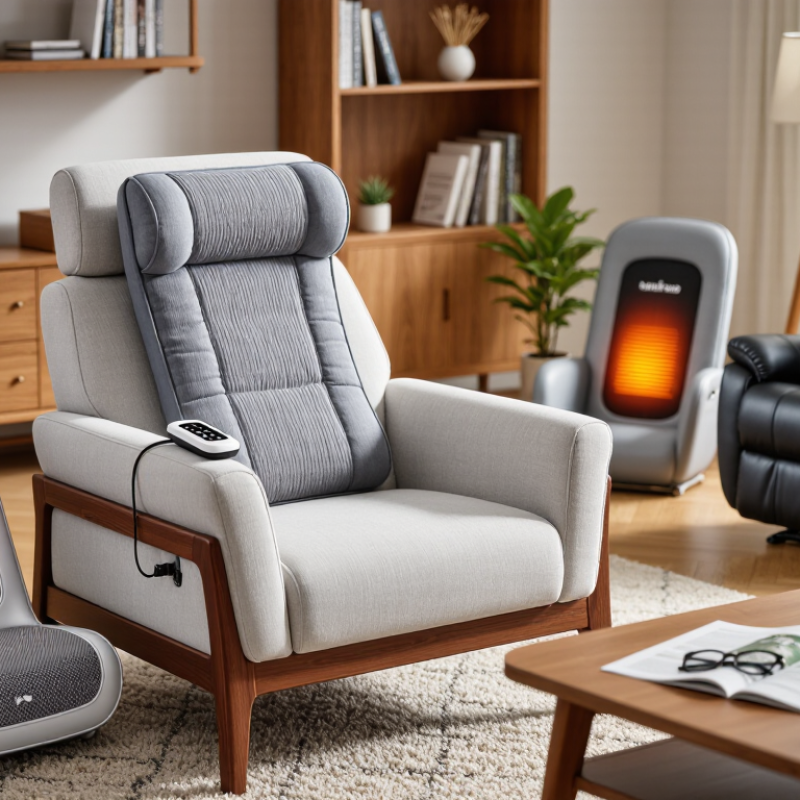
For a home purchase, identify the cushion type before comparing features. A seat-and-back shiatsu cushion uses moving nodes to knead selected areas. It suits people who want focused pressure while sitting in a sturdy chair. A vibration cushion offers gentler, broader stimulation, often across the seat and back. Some models add heat, but warmth is a comfort feature, not a substitute for massage action. Check which body areas the mechanism actually reaches; product photos can make coverage look broader than it is.
Think about where and how often the cushion will be used. A lightweight model may move easily between a desk chair and sofa, while a taller backrest may need more space and support. For long sessions, compare the control layout, session limits, and pressure settings. If several people will share it, simple adjustments matter. Not every user likes firm kneading. That matters. In product assessments, chair fit is easy to overlook: a cushion that slips or presses the wrong spot may stay unused. For travel, consider size and power requirements, and never operate a massage cushion while driving. Choose for your usual seat and routine, not for features you may rarely use.
A home massage cushion can use rolling, kneading, vibration, or a mix of techniques. Rolling moves along a track and may feel steady across the back. Kneading nodes press in smaller, focused circles. Vibration offers a gentler, broader sensation, though it may feel shallow to some users. Check the product’s coverage diagram rather than relying on a close-up photo; node placement can leave gaps near the shoulders or lower back.
Tip: Compare the available modes and controls. A cushion with adjustable intensity is often easier to share between users. Look for clear instructions on session length and heat settings, too.
Body fit matters. A tall user may find a short track stops below the shoulders, while a shorter user may need adjustable positioning. Check whether the cushion can be secured to your usual chair, and consider its shape against the chair’s backrest. I would not assume that more pressure means a better massage. Start at the lowest setting, then adjust gradually; stop if the sensation becomes uncomfortable. Small details matter. A control panel that is easy to reach can make routine use less awkward.
Fit comes first. Measure the cushion, your chair, and the space behind your back before ordering. A tall user may find the rollers stop too low, while a deep sofa can push the unit out of position. Check whether the cushion suits your height and whether its straps hold it steady. WHO’s 2023 low-back-pain fact sheet estimates that 619 million people experienced lower back pain in 2020. That figure describes a health burden, not proof that massage cushions treat pain. Try a short session, if possible. A showroom seat may feel different from your sofa.
Comfort depends on pressure, heat, and contact materials. Look for adjustable intensity and a heat setting you can turn off; stronger is not always better. I would not trust softness alone. Plush foam can conceal uneven pressure. Check fabric seams, cleaning instructions, and any material disclosures, especially if the cushion touches bare skin. For electrical safety, review the manual for automatic shutoff and overheating protection. Ask for independent test documentation against relevant appliance standards, such as IEC 60335-2-32 for massage appliances. A label alone is not the whole story. Confirm the rated voltage matches your home supply, and leave room around vents so heat can escape.
| Buying dimension | What to check | Why it matters | Practical buying tip |
|---|---|---|---|
| 1. Cushion and chair fit | Compare the cushion’s stated height and width with your chair or sofa. Check its shape, attachment straps, and whether it needs a firm, upright backrest. | A cushion that slips, overhangs, or cannot sit flat may be uncomfortable or unsuitable for the intended seat. | Measure the usable seat and back area before ordering; confirm the seller’s dimensions and return terms. |
| 2. Massage coverage and movement | Review which areas are covered, such as the upper or lower back, and whether the product offers fixed or moving massage nodes. Check whether the operating instructions explain how to position the cushion. | Coverage and node movement affect where the massage is felt and whether it suits your preferred seating position. | Use the product’s coverage diagram and instructions rather than relying on broad phrases such as “full-back massage.” |
| 3. Comfort and intensity control | Look for clearly described intensity settings, massage modes, and controls that are easy to reach while seated. Check whether the cushion feels firm or has a padded layer between the body and massage mechanism. | Massage pressure is a personal preference; adjustable settings can make it easier to choose a comfortable level. | If possible, try the cushion briefly. Start at the lowest setting and stop if it causes pain or discomfort. |
| 4. Upholstery and cleaning | Check the stated cover material, care instructions, and whether the cover is removable. Confirm how to clean areas around controls, seams, and electrical parts. | Care requirements vary by material, and the powered cushion should not be cleaned as if it were ordinary washable upholstery. | Follow the manufacturer’s cleaning instructions; do not immerse the cushion or apply liquids to electrical components. |
| 5. Heat and electrical safety | If heat is included, check how it is controlled and whether the instructions describe its use and limitations. Inspect the power cord, plug, and adapter details. | Electrical and heat features need to be used as directed to reduce the risk of damage, overheating, or injury. | Use only the supplied or specified power equipment, keep cords away from heat and pinch points, and stop using the product if a cord is damaged. |
| 6. Usage guidance and safeguards | Read the manual for recommended session length, automatic shutoff information, and any warnings or situations in which use is not advised. | Controls and safety features differ by model; their presence and operation should be confirmed rather than assumed. | Do not sleep on a powered massage cushion. Ask a healthcare professional for advice if you have a health condition, reduced sensation, or another concern about using massage or heat. |
| 7. Power, support, and returns | For international purchases, confirm the input voltage and frequency, plug type, and whether a suitable adapter or transformer is required. Review warranty coverage, service availability, and return costs. | Electrical specifications and after-sales options can vary by destination and seller. | Match the product’s rating label to your local supply and get written confirmation of warranty and return arrangements before purchase. |
For global buyers, power compatibility means more than matching the plug shape. Check the cushion’s rated voltage and frequency against the destination market’s supply. Confirm the plug type, cord length, and whether the adapter is included. A wide-voltage rating can be useful, but it does not settle every compatibility question. Ask for a clear photo of the rating label and supporting test documents before approving a sample. Test it early.
Controls deserve a hands-on check. Can a seated user find the heat button without twisting around? Are the settings labeled clearly, and can the unit stop without unplugging it? Try each control with the cushion placed on a typical chair, not just on a showroom table. Small details matter. For certifications, verify that documents apply to the exact model and intended market; a logo alone is not enough. Requirements differ by destination, so confirm current expectations with a qualified local compliance contact. A checklist can still miss a confusing button or an awkward cord, and that is worth admitting. Keep sample notes, photos, and document versions together so later comparisons remain reliable.
7 Home Massage Cushion Buying Tips for Global Buyers
A home massage cushion may seem easy to compare, but warranty terms can differ sharply. Ask what parts are covered, how long coverage lasts, and who pays return freight for a faulty unit. Get the answers in writing. Keep it specific. Check whether the warranty starts at shipment or delivery, since transit may take weeks. A supplier’s reliability also deserves close review. Request recent inspection records, clear product specifications, and references from buyers in similar markets. A polished catalogue is not proof of steady quality. Ask how the supplier handles defects and delayed production, then judge the response as carefully as the price.
Shipping can change the real cost more than expected. Request a quote that separates product price, packaging, freight, insurance, and any destination charges you may need to verify locally. Compare delivery methods and confirm carton dimensions; bulky cushions can raise freight costs even when each unit feels light. Numbers can shift. Before paying, confirm the shipping address, estimated dispatch date, tracking process, and who handles damage claims. Total cost should include sample fees, inspection, replacement units, and likely service expenses—not only the first invoice. One detail is easy to miss: a low quote may assume thinner packaging. Ask for photos of the packed cushion, and check whether it can withstand ordinary handling.
“I went to the woods because I wished to live deliberately, to front only the essential facts of life, and see if I could not learn what it had to teach, and not, when I came to die, discover that I had not lived.”
- Henry David Thoreau