DWELL BEYOND THE ORDINARY
For global buyers, choosing among modular log homes requires more than comparing floor plans and advertised prices. A reliable supplier should explain timber species, wall systems, insulation, moisture control, factory tolerances, transport limits, and local assembly support. These details affect comfort, lifespan, and total cost. They also reveal whether a company understands real building conditions beyond polished photographs.
Rob Roy, a respected natural-building author and educator, has expressed a practical principle: “Good building begins with the site.” That idea matters for modular log homes. A factory-made structure still faces local wind, snow, rainfall, soil, access, and energy requirements. An experienced supplier should provide clear engineering documents, moisture-management guidance, and installation instructions. Certifications and independent testing deserve attention too. Marketing claims alone are not enough.
This guide reviews leading modular log homes suppliers serving international buyers. It considers manufacturing experience, customization, timber quality, export coordination, warranty clarity, and after-sales communication. Some suppliers excel at compact cabins. Others handle larger family residences or hospitality projects. Differences may appear in corner joints, window packages, roof design, and delivery terms. Small omissions can become expensive surprises.
No supplier is perfect. Factory precision cannot remove every site risk. Buyers should verify local approvals with qualified professionals. They should also request recent project references and inspect sample materials when possible. A beautiful model home may hide practical weaknesses. Careful comparison remains essential, especially when a project crosses borders, climates, and construction traditions.
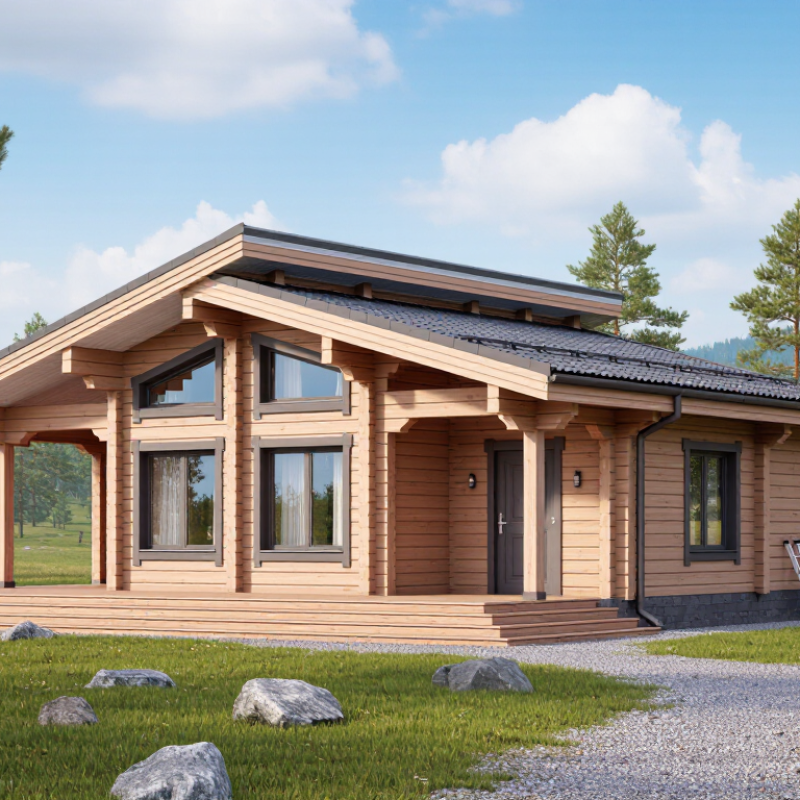
Modular log homes are residential buildings made from factory-produced sections. Workers build these modules under controlled conditions, then transport them to the site. Unlike traditional cabins, the home arrives partly assembled. This can reduce weather delays and improve measurement accuracy.
Construction usually begins with design approval and structural calculations. Suppliers select logs, engineered timber, insulation, windows, and roof materials. Logs may form load-bearing walls, decorative surfaces, or both. The factory cuts openings for doors, wiring, and plumbing. Technicians then assemble wall panels or complete room-sized modules. Quality checks should cover moisture levels, joints, fasteners, insulation gaps, and transport protection.
Site work still matters. A local crew prepares the foundation, drainage, utilities, and access route. A crane places each module carefully. Workers connect the sections, seal the joints, and complete interior services. Buyers should request building-code documents, fire ratings, timber treatment records, and installation instructions for their country. Climate changes the specification. Cold regions need stronger insulation, while humid areas demand careful ventilation and moisture control.
The process is not flawless. Small gaps or finish marks can appear after transport. Experienced suppliers plan inspections before shipment and after installation. Global buyers should allow time for permits, customs procedures, and local engineering reviews. A beautiful factory model may still need practical changes for wind, snow, soil, or maintenance conditions.
Comparing global modular log home suppliers starts with the technical file, not the sales brochure. Ask for structural drawings, timber species, moisture limits, insulation values, and details of the wall and roof assemblies. A clear specification should explain how joints are sealed and how timber is protected during transport. Small details matter. A missing flashing note can become a wet corner after the first hard rain. Check that load calculations address the intended site’s wind, snow, and seismic conditions. Local professionals should confirm suitability, since requirements differ between regions.
Factory quality control is another useful measure. Request inspection records, material traceability, and photos of completed modules before packing. Then compare delivery scope: packaging, unloading needs, assembly sequence, and technical support after arrival. A low quoted price may exclude essential work. Review warranty terms and ask how defects are documented and handled. References from buyers with similar climates can reveal practical strengths and weak points. Still, references are not proof of identical results; soil, access, and installation crews vary. Some suppliers provide excellent drawings but limited on-site guidance. Treat that gap as a real cost, not a minor footnote.
Publication years of selected international standards buyers may encounter when reviewing supplier documentation.
These dates identify the editions shown, not supplier ratings or proof of product compliance. Ask suppliers for current certificates and technical documentation, then confirm structural, fire-safety, and energy requirements with the authorities in the destination market.
Modular log home suppliers usually fall into three practical categories: complete-home manufacturers, component producers, and local assembly contractors. Complete-home manufacturers manage design, wall systems, insulation, windows, and shipping. Component suppliers provide precision-cut logs, roof frames, doors, and connection hardware. Local contractors handle foundations, utilities, permits, and final installation.
Regional coverage changes the buying process. North American suppliers often offer larger floor plans, heavy timber options, and extensive customization. Scandinavian and Central European producers commonly focus on energy efficiency, compact layouts, and cold-weather insulation. Suppliers serving the Asia-Pacific market may provide flexible shipping packages for humid climates, but buyers should verify ventilation and moisture-control specifications. Latin American projects often require stronger coordination with local builders and transport agents.
Ask for structural drawings, moisture ratings, treatment records, and installation references before signing a contract. A reliable supplier should explain lead times, packaging methods, spare-part support, and warranty boundaries in clear language.
Factory experience matters, but regional installation experience matters more than many buyers expect. A beautiful wall kit can still fail through poor foundations or rushed sealing.
No supplier map is perfect. Market coverage changes quickly.
I would compare at least three quotations and inspect a completed project whenever possible. Costs can rise through customs handling, inland transport, and climate-specific modifications. Those details deserve attention before the first log is cut.
A dependable modular log home supplier should offer more than attractive drawings. Ask how wall thickness, insulation, window placement, and room layouts can be adjusted. Customization often affects engineering, factory time, and local approvals. Small changes matter. A wider roof overhang may improve rain protection, while larger windows can increase heat loss. Experienced suppliers should provide material samples, structural calculations, installation guides, and clear maintenance instructions. These documents help buyers compare proposals without relying on polished images.
Material selection deserves careful attention. Kiln-dried softwood may reduce moisture movement, but its performance depends on grading, treatment, and climate. In humid regions, ventilation details and protective coatings require closer review. I once assumed thicker logs always meant better insulation. That was too simple. Air sealing, roof insulation, and floor construction can influence comfort more than log thickness alone. Buyers should request test data and confirm whether materials meet local building requirements.
Pricing should separate the home package, foundation work, utilities, customs charges, assembly, and local taxes. A low factory quote may exclude cranes, storage, or weather delays. Delivery terms must state packaging, port responsibilities, insurance, and replacement procedures for damaged components. Some suppliers offer flat-pack shipping, while others send larger factory-built modules. The best option depends on road access and site conditions. Before signing, compare a detailed schedule with realistic lead times. International projects rarely move perfectly. Allowing contingency funds and extra weeks is practical, not pessimistic.
International buyers evaluate modular log home suppliers beyond attractive drawings. They check factory experience, production records, and completed projects in similar climates. McKinsey’s 2019 report, “Modular Construction: From Projects to Products,” found that modular methods can reduce schedules by up to 50% in suitable projects. Speed matters. However, suppliers must explain how they protect timber during storage, shipping, and installation.
Technical evidence separates reliable suppliers from polished sales teams. Buyers should request moisture readings, structural calculations, fire-performance documents, and insulation values. These documents must match the destination country’s climate and building rules. Check wind, snow, seismic, and humidity assumptions carefully. A copied specification can create expensive changes later. I would also inspect connection details, roof drainage, window seals, and replacement-part availability. Small omissions become large problems overseas.
Energy performance deserves equal attention. The United Nations Environment Programme’s 2023 Global Status Report states that buildings and construction produced about 37% of global energy-related and process emissions in 2022. Suppliers should therefore provide clear thermal modelling, material declarations, and realistic heating estimates. Buyers should compare delivered cost, not factory price alone. Include packaging, port handling, inland transport, assembly, inspections, and local contractor support. Delivery promises also need written milestones. A short lead time sounds impressive, but an unverified schedule is not evidence. Supplier selection remains partly technical and partly practical. Ask difficult questions before the first container moves.
“I went to the woods because I wished to live deliberately, to front only the essential facts of life, and see if I could not learn what it had to teach, and not, when I came to die, discover that I had not lived.”
- Henry David Thoreau