zook cabins nationwide delivery area

7 Tips for Buying Amish Built Cabins Online

Buying amish built cabins online can feel simple. Choose a model, request a quote, and schedule delivery. The reality is less tidy. Photographs cannot show every joint, floorboard, or moisture mark. A low price may also exclude insulation, roofing, foundation work, or transport.

Amish construction specialist David Kauffman offers a practical reminder: “Look beyond the cabin’s appearance; examine the materials, workmanship, and delivery plan.” That advice deserves attention. A well-built cabin should have clear specifications, durable framing, properly sealed windows, and a roof suited to your local weather. Ask whether the builder uses solid timber, engineered panels, or a mixture. Request close-up photos of corners, flooring, and interior finishes. Small details matter.

These seven tips will help you compare amish built cabins with greater confidence. They cover builder verification, customization, pricing, site preparation, delivery access, warranty language, and final inspection. You should also confirm local building requirements before placing a deposit. Rules vary by location. So do utility connections.

Do not trust polished listings too quickly. Some sellers communicate beautifully but provide vague contracts. Others offer honest work with outdated websites. That contrast can be confusing. A careful buyer checks references, business details, construction timelines, and written inclusions. I would still leave room for uncertainty. Online buying cannot replace seeing the cabin in person. However, detailed questions and documented answers can reduce unpleasant surprises. The goal is not merely a beautiful cabin. It is a sound purchase that fits your land, budget, and everyday plans.
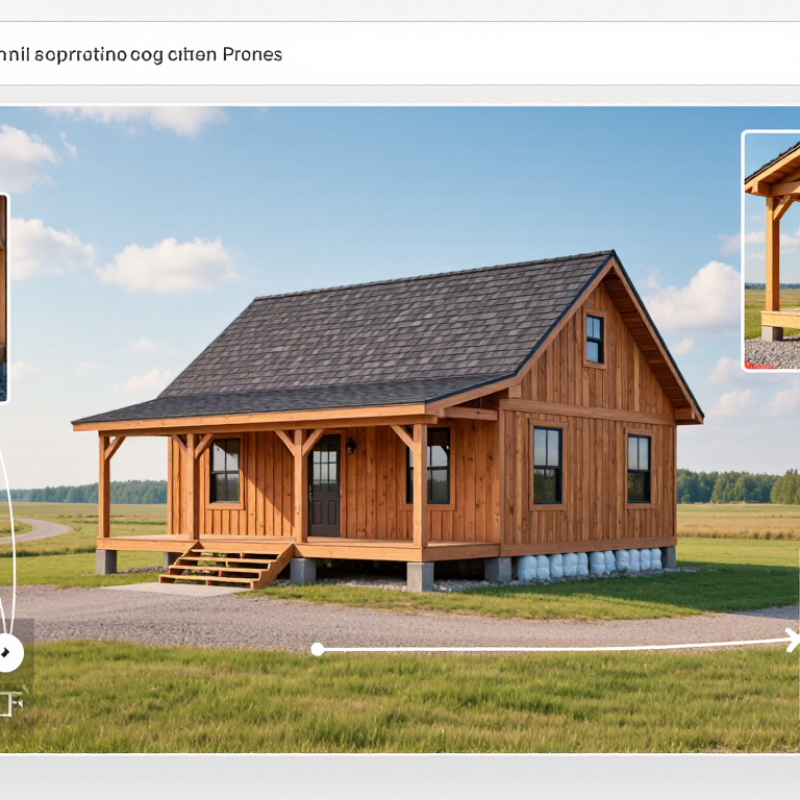
7 Tips for Buying Amish Built Cabins Online

Define Your Cabin Needs, Budget, and Intended Use

7 Tips for Buying Amish Built Cabins Online

Define the cabin before browsing floor plans.

Is it a weekend retreat, a full-time home, a rental, or a workshop? Each use changes insulation, plumbing, storage, and electrical requirements. A two-person weekend cabin may need one bedroom and a compact kitchen. A family retreat may need mudroom space, durable flooring, and two bathrooms. Write these needs down before requesting prices. Online photographs can hide roof pitch, wall thickness, delivery access, and unfinished interiors.

Build a realistic budget around the complete project, not only the cabin shell.

The 2024 National Association of Home Builders Cost of Constructing a Home Survey reported construction costs near 64.4% of a home's final price. Site preparation, foundation work, utility connections, permits, transport, and interior finishing can change your estimate sharply. Request an itemized quotation, including delivery distance and installation assumptions. Leave a contingency reserve. Twenty percent may feel excessive, but rocky ground or a delayed utility connection can consume it quickly.

Intended use also affects operating costs.

The U.S. Energy Information Administration's Residential Energy Consumption Survey reports space heating as the largest household energy use, at about 42% of consumption. Ask about insulation values, window performance, heating equipment, and ventilation. Confirm snow and wind design requirements with a qualified local professional. I would not trust a beautiful rendering alone. A missing outlet, narrow stairway, or poorly planned porch can become an expensive regret. Measure your furniture and vehicle access before placing an online order.
Research Amish Cabin Builders and Verify Their Credentials

Before ordering an Amish-built cabin online, investigate the builder behind the photographs. “Amish-built” describes a construction tradition, not a universal license or quality guarantee.

Request the company’s legal business name, physical address, registration details, insurance certificates, and any required local licenses. Confirm that the policy covers transportation, installation, and subcontracted work.

Ask for recent customer references, not only testimonials selected for the website. Call two references and ask about delivery delays, moisture problems, change orders, and warranty responses.

Paperwork matters. The FBI’s 2023 Internet Crime Report recorded 880,418 complaints and more than $12.5 billion in reported losses. That figure is not cabin-specific, but it shows why online trust requires independent checking.

Search the builder’s address, verify payment instructions by phone, and avoid rushing into large deposits. A written contract should identify lumber specifications, insulation levels, windows, foundation requirements, delivery dates, installation duties, and cancellation terms.

The NAHB’s 2024 Cost of Constructing a Home Survey reported average construction costs of $428,215 for a typical new home. Your cabin may cost far less, yet unclear specifications can still create expensive surprises.

A common mistake is accepting a beautiful gallery as evidence. It is only evidence that someone took good photographs. Request dated progress images, permit records where applicable, and a detailed site plan.

I would also ask who handles repairs after installation. That answer can reveal more than the sales pitch.

Compare Designs, Materials, Pricing, and Customization Options

7 Tips for Buying Amish Built Cabins Online

Compare designs by use, not appearance alone. A weekend cabin may need one bedroom, while a rental requires stronger traffic flow. Review floor plans carefully. Measure twice. Check ceiling heights, door swings, window placement, and storage before requesting a quote. Digital images can hide awkward corners.

Material choices affect comfort, maintenance, and price. Solid timber creates a warm interior, but it may need regular sealing in wet climates. Ask whether framing uses treated lumber, how walls are insulated, and what roofing layers are included. Request close-up photos of joints, flooring, and exterior finishes. Details matter. I have learned that attractive siding does not always indicate careful construction.

Compare written estimates line by line. Separate the cabin shell, windows, plumbing, electrical work, foundation, delivery, and installation costs. A low base price can become expensive after site preparation and transport. Ask for realistic lead times and payment milestones. Custom options may include porch depth, loft layout, kitchen cabinets, or upgraded insulation. Keep changes in writing. One overlooked outlet can frustrate you for years. I would also ask about warranty coverage and repair procedures, even when the seller seems trustworthy. My own planning has not been perfect; I once focused too heavily on interior finishes and underestimated drainage work. A local building professional should review the plans before purchase.

7 Tips for Buying Amish Built Cabins Online - Compare Designs, Materials, Pricing, and Customization Options

Tip What to Compare Reliable Information to Check Typical Options or Ranges Questions to Ask Before Ordering Why It Matters
1 Compare cabin designs and floor plans Review the total floor area, loft layout, ceiling height, bedroom arrangement, porch dimensions, window placement, and whether the plan is suitable for seasonal or full-time use. Common small-cabin layouts range from approximately 100 to 800 square feet. Popular designs include studio cabins, one-bedroom cabins, loft cabins, and two-bedroom layouts. Is the listed size the interior living area, the exterior footprint, or both? Are lofts, porches, stairs, and storage areas included in the quoted dimensions? A lower price may reflect a smaller usable interior, unfinished loft space, or fewer included features rather than better value.
2 Evaluate framing and exterior materials Check the framing system, siding species, roof covering, floor construction, insulation package, moisture protection, and treatment used for exterior wood. Typical wood siding may include pine, cedar, or engineered wood. Roofs commonly use asphalt shingles or metal panels. Insulation levels vary by wall, floor, and roof assembly. What species and grade of wood are used? Is the siding factory-finished? What are the wall, roof, and floor insulation values? Material selection affects durability, maintenance, energy use, appearance, and the cabin’s performance in the local climate.
3 Separate base price from completed-cabin cost Identify whether the online price covers a shell, dried-in structure, finished exterior, finished interior, or a move-in-ready cabin. Small prefabricated cabin packages can cost several thousand to tens of thousands of U.S. dollars before site work. Finished cabins generally cost more because they include labor, fixtures, insulation, and interior work. Does the price include delivery, setup, foundation work, electrical service, plumbing, appliances, permits, taxes, and interior finishing? Comparing only headline prices can hide major expenses that are paid after the cabin arrives at the property.
4 Calculate delivery and site-preparation costs Review delivery distance, road width, turning access, unloading equipment, foundation requirements, grading, drainage, utility connections, and local access restrictions. Site costs vary widely. A prepared, accessible lot may require limited work, while a remote or sloped site may need clearing, excavation, a foundation, driveway improvements, and utility installation. What truck and equipment access is required? Who is responsible for permits, crane or forklift unloading, foundation measurements, and final placement? A cabin that fits the budget may not fit the property without additional transportation and construction work.
5 Review customization choices and change fees Compare available changes to windows, doors, porches, lofts, partitions, kitchens, bathrooms, electrical layouts, finishes, and accessibility features. Common customization choices include additional windows, alternate siding colors, upgraded flooring, modified porch sizes, extra outlets, and revised interior layouts. Which changes are included in the base price? Are custom drawings, engineering reviews, revisions, or cancellations charged separately? Customization can improve usability, but late design changes may affect engineering, production schedules, delivery, and the final price.
6 Verify building-code and permit requirements Check local rules for zoning, setbacks, snow and wind loads, foundation type, electrical work, plumbing, septic systems, energy efficiency, and occupancy classification. Requirements differ by state, county, municipality, climate zone, and intended use. A recreational cabin may be regulated differently from a permanent residence or guest house. Can the seller provide construction specifications, load information, foundation plans, and documents needed by the local building department? Online availability does not guarantee that a particular design is legal or approvable on a specific property.
7 Confirm warranty, quality control, and contract details Read the written warranty, payment schedule, delivery timeline, inspection process, repair policy, exclusions, and responsibilities for damaged or missing components. Warranty coverage should clearly state the duration, covered structural or manufacturing defects, customer maintenance duties, and the process for submitting a claim. When does the warranty begin? What happens if the cabin arrives damaged, delayed, incomplete, or different from the approved drawings? Clear documentation helps reduce disputes and gives the buyer a practical way to address construction, delivery, or installation problems.

Note: Prices, construction requirements, delivery charges, and permit rules vary by location, design, finish level, site conditions, and project scope. Request a written, itemized quote before placing an order.

Review Contracts, Delivery Plans, Warranties, and Site Requirements

Buying an Amish-built cabin online requires more than attractive photographs and a low advertised price. Request a complete contract before paying a deposit. It should identify lumber grades, insulation, windows, roofing, appliances, taxes, and unfinished work. Ask whether measurements are guaranteed. They often are not. The National Association of Home Builders’ 2024 Cost of Constructing a Home survey reported average construction costs of about $162 per square foot. Use that figure only as a broad benchmark, because cabin specifications and local labor can change the final price sharply.

Delivery deserves equal attention. Confirm the trailer type, unloading equipment, road width, turning space, and weather protection during transport. Obtain a written schedule with delay procedures and storage fees. The U.S. Census Bureau’s Building Permits Survey shows that residential approvals vary substantially by location, so verify zoning, setbacks, septic approval, and utility connections with your local office. A beautiful cabin can still remain undelivered if the site cannot receive it.

Read the warranty line by line. Check coverage periods, exclusions, response times, and whether labor or travel costs are included. Ask who handles leaks, settlement, cracked finishes, and damaged freight. Keep photographs of the site before delivery. That evidence may help. A qualified inspector should review the structure after placement, even when the builder has a strong reputation. I would also request references from buyers in similar climates; online reviews rarely reveal drainage problems or winter performance.

Inspect the Finished Cabin and Confirm Every Order Detail

When buying an Amish-built cabin online, inspect the finished structure before approving final payment. Photos can hide uneven flooring, gaps around windows, or a roofline that differs from the drawings. Ask for a live video walkthrough in daylight. Request close views of corners, joists, plumbing connections, electrical panels, and interior finishes. Better still, hire a qualified local inspector who understands small timber buildings and regional code requirements. This cost can expose problems early.

Compare the completed cabin with your signed order, not just the sales page. Check wall dimensions, ceiling height, window placement, door swing, insulation rating, flooring, porch size, and included fixtures. Measure key areas yourself when possible. A missing outlet or altered stair width may affect furniture and safety. Confirm the delivery route, foundation requirements, installation labor, weather protection, and every fee in writing. Verbal promises are easy to misunderstand.

Keep dated photos, inspection notes, invoices, and messages in one folder. Ask who corrects defects, how long repairs take, and what happens if materials differ from approved specifications.

Do not rush because the cabin looks charming. I once overlooked a small drainage detail; it later caused muddy water near an entrance. That mistake changed my checklist. Leave room for doubt. If an answer remains vague, pause approval and request a precise written response before accepting the cabin.

Ready for the Cabin Life?

“I went to the woods because I wished to live deliberately, to front only the essential facts of life, and see if I could not learn what it had to teach, and not, when I came to die, discover that I had not lived.”

- Henry David Thoreau